2026-10-25 · James Harlan
Managing Dumpster Access During DC Winter Snow Events
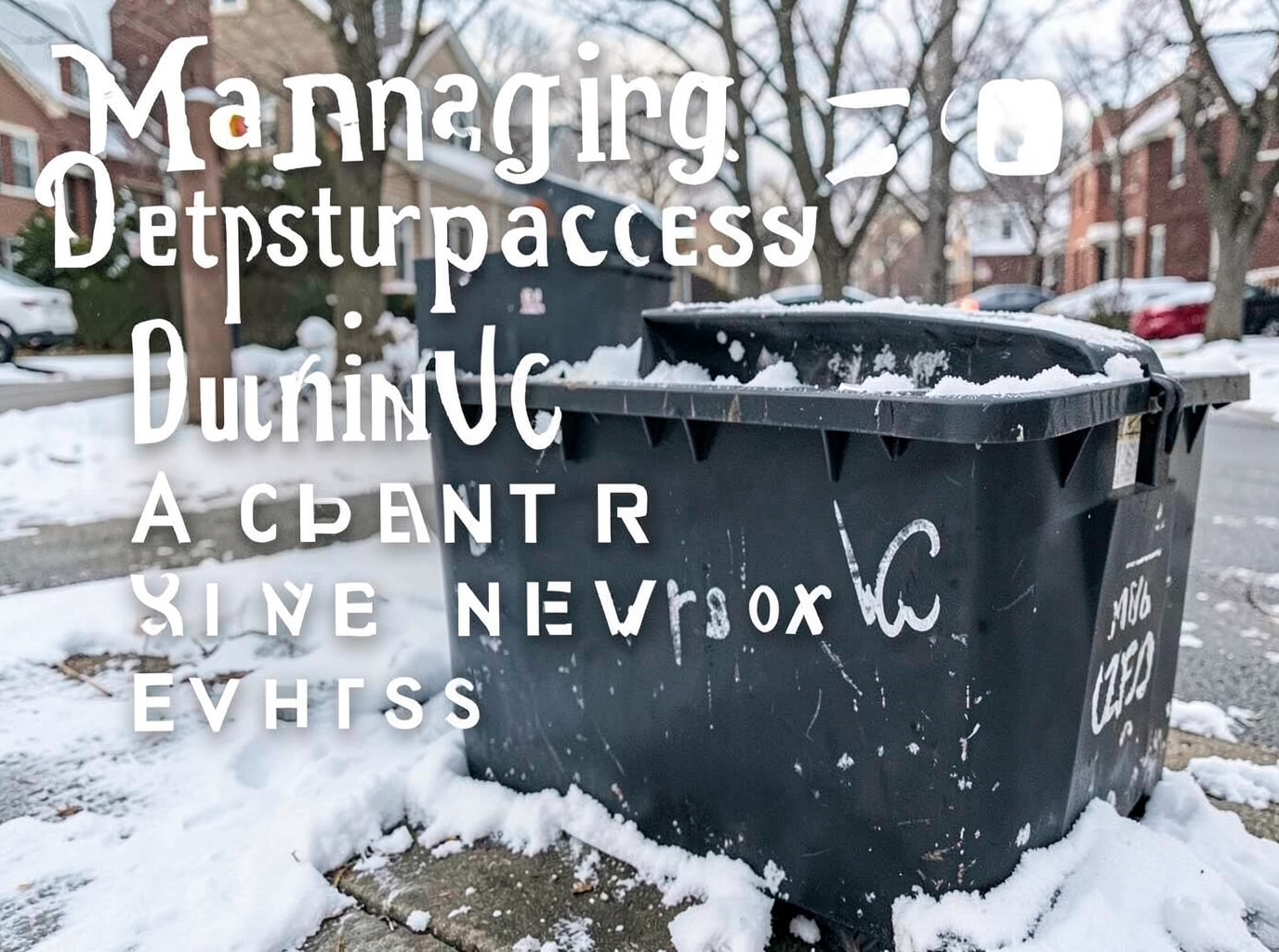
In Washington DC, maintaining dumpster access during winter snow events starts with clearing a 10-foot perimeter around the unit and aligning with DPW plowing routes so service can resume within 24-48 hours after accumulation stops. Snowfalls of 4-8 inches common in the Washington area often push plowed drifts against containers placed on streets in older row-house neighborhoods, cutting off truck approach angles and extending rental timelines. Operators based at 1736 Church St NW know that Dupont Circle and nearby blocks see repeated issues where narrow alleys fill with packed snow, requiring manual shovel work before any roll-off can be swapped or emptied.
Preparing Sites in Advance of Storms
Washington area winters deliver repeated light-to-moderate snow that builds on already tight parking and alley layouts typical of pre-1940 row homes. Before forecasts call for accumulation, mark the exact footprint needed for the dumpster and remove any movable obstacles such as planters or recycling bins that could trap drifting snow. Commercial properties in denser zones benefit from pre-arranged contracts that include snow-day priority because standard 8am-6pm weekday service can shift when streets remain unplowed past normal collection windows. Checking the forecast 48 hours ahead lets crews stage salt or sand at the site so tire tracks do not turn into ice ruts that block later access. This preparation directly supports ongoing Dumpster Rental needs without forcing last-minute relocations.
Handling Plowed Snow and Blocked Approaches
After DPW crews pass, snow berms often reach 3-4 feet high along curbs in Capitol Hill and Georgetown blocks, directly obstructing the 12-foot clearance required for truck backing. Crews must shovel or push these berms back toward the curb line within the first daylight hours after plowing ends, or the container becomes unreachable until the next thaw cycle. In commercial settings, property managers can request that snow be piled on the opposite side of the street when possible, preserving the approach lane. When a unit sits on private lots rather than public right-of-way, gravel or plywood sheets laid under the wheels prevent sinking into softened ground once temperatures rise above freezing. These steps keep Commercial Dumpster Rental schedules on track even when city streets remain narrowed for days.
Adjusting Pickup Windows and Communication
Snow events frequently push normal Saturday 9am-2pm windows later because crews must first clear their own yard and equipment before reaching customer sites. Updating the rental office by 7am on storm days allows dispatch to reroute trucks to neighborhoods that have already been plowed, such as those near 1736 Church St NW that receive earlier attention. Customers in outlying Washington area blocks should expect potential 1-day extensions rather than same-day swaps when accumulations exceed 6 inches. Linking rental adjustments to the same permitting rules covered in Dumpster Rental Permits for Street Placement in Washington DC prevents violations when temporary street closures occur. Clear phone or email updates the evening before a storm keep both parties aligned on revised access plans.
Long-Term Planning for Repeat Winter Events
Over multiple seasons, properties that install permanent bollards or painted curb markings reduce the time needed to re-establish access after each snow cycle. Tracking which DC zip codes experience slower plowing response helps commercial accounts budget extra days into project timelines, a factor also discussed in Factors Affecting Dumpster Rental Pricing Across DC Zip Codes. When a container must stay on site through repeated storms, weekly inspections confirm that snow has not shifted the unit into a position that violates alley width rules. Consistent records of actual clearance times after each event allow better forecasting for the next winter, keeping service reliable without added fees for inaccessible units.